Loading...
Serving Elk Grove, CA and surrounding areas. (279) 249-0177
Menu
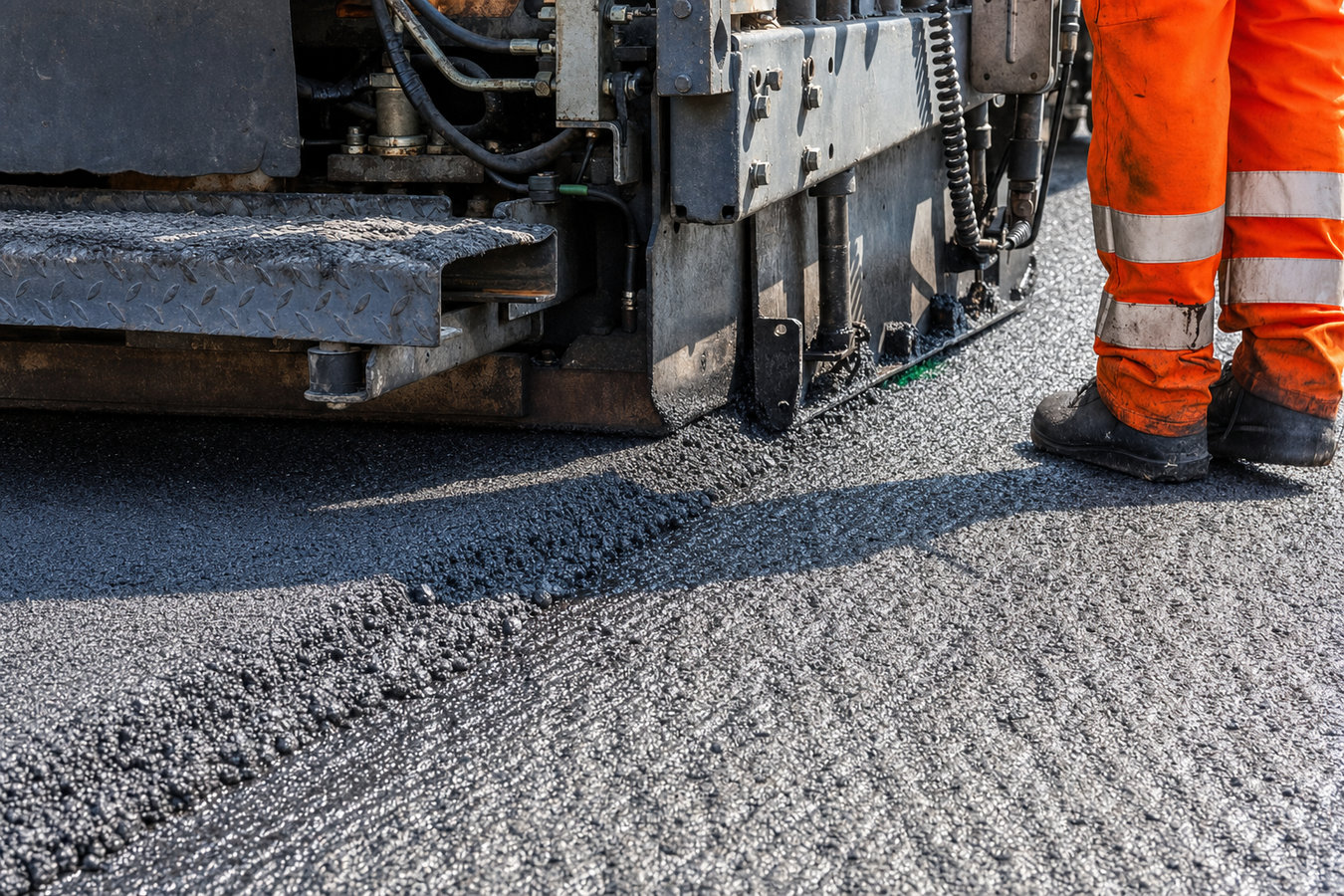
Years of Sacramento Valley heat leave driveways brittle, crumbling, and patched over. Milling removes the failed layer entirely so new asphalt bonds to a clean base at the right elevation - and the cycle of repeat repairs stops.
Asphalt milling in Elk Grove is the process of grinding off the top layer of deteriorated pavement using a rotating drum machine, removing typically one to two inches of worn material and leaving a clean, textured base ready for fresh asphalt - most residential driveways are milled in a few hours, with paving often completed the same day.
Milling makes sense when the top layer has failed but the base underneath is still solid. It removes the heat-damaged, crumbling surface rather than burying it under a new overlay - which is what causes overlays to fail prematurely. If your driveway has already had one overlay and is now too high relative to the garage threshold or street edge, milling corrects the elevation before the next layer goes down. For driveways where the base itself has failed, a deeper fix through our asphalt resurfacing service may be the right call, and we will tell you honestly which one applies to your situation.
The ground-up material - called reclaimed asphalt pavement - is hauled away and recycled. According to the National Asphalt Pavement Association, asphalt is the most recycled material in the United States by weight - very little of it goes to a landfill, making milling one of the more environmentally responsible options in pavement work.
Asphalt baked by years of Central Valley summers loses its flexibility and turns brittle. A chalky gray color, chunks breaking off at the edges, or a gravelly texture where the surface used to be smooth are signs the top layer has deteriorated past the point where sealing helps. Milling removes that worn-out layer so a fresh, bonded surface can replace it.
If the same low spots or soft areas keep reappearing after patch repairs, the top layer has lost structural integrity. Repeated patching on a failed surface is like painting over peeling paint - it does not last. Milling removes the failed material so new asphalt has a solid foundation to bond to.
Standing water after rain or irrigation is a sign the pavement has developed low spots, or that previous overlays have raised the edges and trapped water in the center. In Elk Grove, where clay soils shift seasonally, this problem tends to worsen over time. Milling lets the contractor re-establish the correct slope so water drains properly.
Every overlay adds roughly an inch or more of height. After two or three overlays, the pavement can sit so high that it creates a trip hazard at the sidewalk, interferes with the garage door threshold, or causes water to back up toward the house. Milling removes the accumulated layers and returns the surface to the correct elevation before a new one is applied.
We mill to a consistent, even depth across the full surface - no high spots, no gouges, no wavy texture when we are done. The edges where milled pavement meets a curb, garage apron, or sidewalk are cut clean and straight, not ragged or undercut. Before we start, we assess whether the base underneath is sound. If clay soil movement or irrigation water migration has compromised the base, we discuss what needs to happen before the new layer goes down. Pairing milling with our drainage solutions service makes sense when water migration under the pavement edge has been a contributing factor in the surface failure.
Most residential milling projects in Elk Grove remove one to two inches of material, but the right depth depends on how thick the existing asphalt is and how much of it is still structurally sound. Removing too little leaves damaged material behind; removing too much can compromise the base. We measure and assess before any grinding starts so the depth decision is based on what your specific driveway actually needs.
For driveways where the entire top layer has deteriorated, milling the whole surface at a consistent depth gives the new asphalt a uniform, well-bonded foundation across every square foot.
For driveways that have had multiple overlays and now sit too high at the garage threshold, sidewalk, or curb - milling brings the surface back to the correct finished elevation before a new layer is applied.
In most cases, new asphalt is laid shortly after milling - sometimes the same day - so you get a complete, finished driveway without a long gap between the two stages of the project.
For driveways with soft spots or areas that have heaved, we check the base condition before grinding begins so the recommendation - milling only, or milling plus base repair - is grounded in what is actually there.
The Sacramento Valley's summer heat is the primary enemy of asphalt in this region - not freeze-thaw cycles as in colder climates. Sustained temperatures above 100 degrees soften the binder in older asphalt, accelerating raveling, rutting, and surface oxidation. After 20 or 30 years of Elk Grove summers, that oxidation leaves a dry, brittle, crumbling surface that is well past the point where sealing or patching helps. Milling removes that failed layer entirely. What makes the difference for lasting results is understanding the depth of damage and the condition of what is underneath. Clay-heavy soils across most of Elk Grove compound the issue: they swell with winter rain and shrink in the summer dry season, putting stress on the asphalt from below. Homeowners in Elk Grove, CA who have seen the same cracks and soft spots return after patching are often dealing with this combination of surface oxidation and base movement at the same time.
Irrigation and drainage patterns are another local factor. Many Elk Grove homes have landscaped yards with in-ground irrigation, and water migrating under the pavement edge is a common cause of edge cracking and soft spots. Before milling, a thorough contractor checks where water flows and whether drainage issues contributed to the surface failure - otherwise the new surface can fail for the same reason the old one did. Communities to the south like Galt, CA share the same Sacramento Valley clay soils and irrigation-driven drainage patterns, and the pre-milling assessment process applies equally there.
Call or use the contact form and tell us what is happening - cracking, pooling water, rough texture, or a surface that has been patched repeatedly. We respond within one business day and schedule an on-site visit. No phone quote without seeing the driveway first.
We check the surface condition, look for soft spots that indicate base failure, examine how water drains, and measure the existing pavement thickness. This determines whether milling alone is the right fix or whether base repairs are needed first.
For work confined to your private driveway, a permit is often not required - but we confirm this for your property and handle any necessary approvals if the work touches the public right-of-way. Once confirmed, you get a start date and a written estimate.
The crew grinds the surface, loads old material into trucks, and - in most cases - paves the new layer the same day or next. Before leaving, we walk the finished surface with you to confirm clean edges, correct slope, and no visible high or low spots.
Free written estimate. We assess the base before grinding anything. No surprises.
(279) 249-0177We measure the existing asphalt thickness and assess the base condition before deciding how much to mill. Removing too little leaves damaged material behind; removing too much can compromise the base. The right depth for your driveway is determined by what is actually there, not a standard number applied to every job.
Elk Grove's expansive clay soils and irrigation-driven drainage patterns are factors we look for on every estimate. If water migration under the pavement edge contributed to the failure, we identify it before milling so the fix addresses the actual cause - not just the surface symptom.
Milled edges where pavement meets a curb, garage apron, or sidewalk should be straight and clean. We take care at every transition point so the finished surface lines up correctly and water drains the way it was designed to - not toward the house or pooling at the garage door threshold.
California requires paving contractors to hold a current state-issued license. You can look up any contractor through the California Contractors State License Board before work begins - a straightforward step that protects you from unlicensed operators.
Every job starts with a written estimate based on an in-person assessment, and every finished surface gets a walkthrough with you before we leave the property. That is the standard, not the exception.
Address the water migration under pavement edges that contributes to surface failure before the new asphalt layer goes down.
Learn MoreWhen the base has also failed, resurfacing rebuilds from deeper layers - often the right scope after milling reveals base problems.
Learn MoreCall now or submit a request - we respond within one business day and come to your property before recommending anything.